survival pdf collection
In 2026, digital resources are vital; PDF collections offer accessible, offline knowledge for emergencies. These guides empower individuals with crucial skills, ensuring preparedness.
What are Survival PDF Collections?
Survival PDF collections are digitally compiled sets of documents offering essential knowledge for navigating challenging situations. These resources encompass a broad spectrum of skills, from wilderness first aid and shelter construction to foraging for edible plants and mastering navigation techniques. They are typically formatted as Portable Document Format (PDF) files, ensuring compatibility across various devices and operating systems.
These collections are designed for offline access, a critical feature when facing emergencies where internet connectivity is unavailable. They represent a concentrated source of information, empowering individuals to enhance their self-reliance and preparedness in diverse scenarios.
Why are they Important in 2026?
In 2026, geopolitical instability and increasing frequency of natural disasters necessitate robust personal preparedness. Survival PDF collections provide readily available, crucial information independent of infrastructure. Reliance on digital devices is growing, making offline access to vital skills paramount.
Furthermore, potential disruptions to supply chains and communication networks amplify the need for self-sufficiency. These collections empower individuals to address emergencies effectively, fostering resilience in uncertain times. They offer a cost-effective and accessible means of acquiring life-saving knowledge, bridging preparedness gaps.

Essential Categories of Survival PDFs
Critical PDF topics include medical guidance, shelter construction, food/water sourcing, and navigation. These categories form the core of self-reliance and emergency preparedness.
Medical & First Aid
Access to medical knowledge is paramount in survival scenarios. Comprehensive First Aid Manuals detail treating injuries, illnesses, and trauma when professional help is unavailable. These PDFs cover wound care, fracture stabilization, CPR, and managing common medical emergencies. Wilderness Medicine Guides expand on this, focusing on utilizing natural resources for treatment and adapting techniques to remote environments.
Understanding how to identify and treat infections, manage allergic reactions, and improvise medical supplies are crucial skills detailed within these vital PDF resources. Prioritizing preventative measures and understanding basic anatomy and physiology further enhance self-sufficiency.
Comprehensive First Aid Manuals
Detailed PDF manuals are foundational for survival preparedness. They systematically cover essential first aid techniques, from basic wound cleaning and bandaging to managing severe trauma and life-threatening conditions. These resources typically include illustrated guides for splinting fractures, treating burns, addressing allergic reactions, and performing CPR.
Crucially, they emphasize patient assessment, prioritizing care, and improvising with limited resources. Understanding shock management, head injury protocols, and recognizing signs of internal injuries are also key components. Having these manuals readily available, even digitally, can significantly improve outcomes in emergency situations.
Wilderness Medicine Guides
These specialized PDFs address medical challenges unique to remote environments, where professional help is delayed or unavailable. They focus on diagnosing and treating illnesses and injuries using minimal equipment, emphasizing resourcefulness and improvisation. Key topics include identifying poisonous plants and animals, managing hypothermia and heatstroke, and dealing with altitude sickness.
Furthermore, wilderness guides detail techniques for creating improvised medical tools, extracting foreign objects, and stabilizing injuries for evacuation. They often include information on preventative measures, such as water purification and food safety, crucial for prolonged survival in the wild.
Shelter & Construction
Essential survival PDFs in this category detail constructing temporary and long-term shelters using natural materials. They cover techniques for building lean-tos, debris huts, and snow caves, prioritizing insulation and protection from the elements. Detailed diagrams and step-by-step instructions are common, catering to varying skill levels.
Beyond basic shelter, these resources explore sustainable construction methods, like building with logs, stones, and earth. They emphasize resource management, minimizing environmental impact, and creating durable structures for extended survival scenarios. Understanding knot tying and basic carpentry is often included.
Building Emergency Shelters
Critical survival PDFs focus on rapidly constructed shelters for immediate protection. These guides detail building lean-tos with minimal tools, utilizing tarps, branches, and natural features. Emphasis is placed on speed and efficiency, prioritizing defense against weather and wildlife. Instructions often include variations for different environments – forests, deserts, or snowy regions.
Key elements covered include site selection, insulation techniques using available materials (leaves, pine needles), and creating a waterproof barrier. Diagrams illustrate knot tying for secure construction, and considerations for camouflage are frequently included, enhancing concealment and security in emergency situations.
Sustainable Construction Techniques
Advanced survival PDFs delve into long-term shelter construction using locally sourced, renewable materials. These guides detail building structures like wattle and daub homes, log cabins, and earthbag shelters, emphasizing minimal environmental impact. Techniques for creating natural cement, harvesting timber responsibly, and utilizing clay are thoroughly explained.
Crucially, these resources cover insulation methods using straw bales or packed earth, rainwater harvesting systems integrated into the shelter design, and composting toilet construction for sanitation. Detailed diagrams and step-by-step instructions promote self-sufficiency and long-term habitability in austere conditions.
Food & Water Procurement
Essential survival PDFs focus on identifying edible plants, insects, and small game in various environments. Detailed foraging guides, often region-specific, illustrate safe consumption practices and potential look-alikes to avoid. These resources extend to trapping techniques, fishing methods using improvised tools, and basic food preservation skills like drying and smoking.
Water procurement is paramount; PDFs detail constructing solar stills, building filtration systems using charcoal and sand, and locating natural springs. Information on boiling, chemical disinfection, and recognizing contaminated water sources is vital for preventing illness and ensuring hydration in survival scenarios.
Foraging Guides for Edible Plants
Comprehensive PDF foraging guides are invaluable, detailing regionally specific edible plants. They include high-quality images for accurate identification, crucial for avoiding poisonous look-alikes. These guides often categorize plants by habitat – forests, meadows, wetlands – simplifying searches. Information extends beyond identification to include seasonal availability, preparation methods (cooking, drying), and nutritional value.
Essential safety warnings are prominently featured, emphasizing the “universal edibility test” and potential allergic reactions. Some PDFs incorporate traditional uses by indigenous populations, offering insights into sustainable harvesting practices and medicinal properties.
Water Purification Methods
Survival PDF guides dedicated to water purification are critical, outlining techniques for rendering unsafe water potable. These resources detail boiling – the simplest method – alongside filtration using improvised materials like cloth, sand, and charcoal. Chemical disinfection, utilizing iodine or chlorine tablets (with dosage instructions), is thoroughly explained.
Advanced PDFs cover solar disinfection (SODIS) and building emergency water filters. They emphasize pre-filtering to remove sediment and the importance of understanding water source contamination risks. Crucially, guides address recognizing signs of waterborne illness and preventative measures.
Navigation & Orientation
Survival PDF collections prioritize navigation skills, recognizing that getting lost drastically reduces survival chances. Comprehensive guides detail map reading, including topographic map interpretation, contour lines, and utilizing grid references. Compass skills are thoroughly covered, from basic direction finding to triangulation techniques for pinpointing location.
Essential PDFs also explore GPS alternatives, acknowledging potential technology failures. Celestial navigation – using the sun and stars – is presented as a reliable backup. Resources emphasize creating mental maps, utilizing natural landmarks, and understanding terrain association for effective orientation.
Map Reading & Compass Skills
Survival PDF resources dedicate significant space to mastering map reading, a cornerstone of self-reliance. These guides break down topographic maps, explaining contour lines, elevation, and key symbols. Users learn to interpret scale, identify terrain features, and accurately determine their position using grid references.
Compass skills are equally emphasized, covering declination adjustment, bearing taking, and following a course. PDFs detail techniques like triangulation for precise location finding. Practical exercises and diagrams reinforce learning, ensuring proficiency even without GPS technology. Mastering these skills is vital for safe navigation.
GPS Alternatives & Celestial Navigation
Survival PDFs acknowledge GPS reliance but stress the importance of backups. They detail traditional methods like using a compass and map, crucial when technology fails. Furthermore, many collections delve into celestial navigation – determining position using stars, sun, and moon.
Guides explain how to identify constellations, calculate latitude, and utilize a sextant (if available). While complex, these techniques offer a reliable, independent positioning system. PDFs provide simplified charts and instructions for practical application, empowering individuals to navigate without electronic aids, ensuring resilience in any scenario.

Legal and Ethical Considerations
Survival PDF usage requires respecting copyright laws and responsible information sharing. Skills should be used ethically, prioritizing safety and lawful conduct always.
Copyright and Distribution of Survival Information
Navigating the legal landscape of survival PDF collections is crucial. Many resources are copyrighted, restricting unauthorized distribution. Sharing PDFs without permission infringes on creators’ rights, potentially leading to legal repercussions. Public domain materials or those with Creative Commons licenses offer broader usage freedoms, but always verify the specific terms.
Responsible distribution involves respecting intellectual property. Consider purchasing legitimate copies to support authors and ensure continued content creation. When sharing legally permissible PDFs, clearly state the source and any applicable licensing information. Prioritize ethical access and avoid contributing to piracy, fostering a sustainable ecosystem for vital survival knowledge.
Responsible Use of Survival Skills
Acquiring survival knowledge from PDFs carries a significant ethical responsibility. Skills learned should never be used to harm others or engage in illegal activities. Prioritize safety – practice techniques in controlled environments before relying on them in genuine emergencies. Respect the environment; foraging and shelter building should minimize ecological impact.
Furthermore, understand the limitations of PDF-based learning. Practical experience is invaluable; supplement study with hands-on training. Share knowledge responsibly, emphasizing ethical considerations and promoting community resilience. Survival skills empower self-reliance, but should always be applied with respect for the law and the well-being of others.
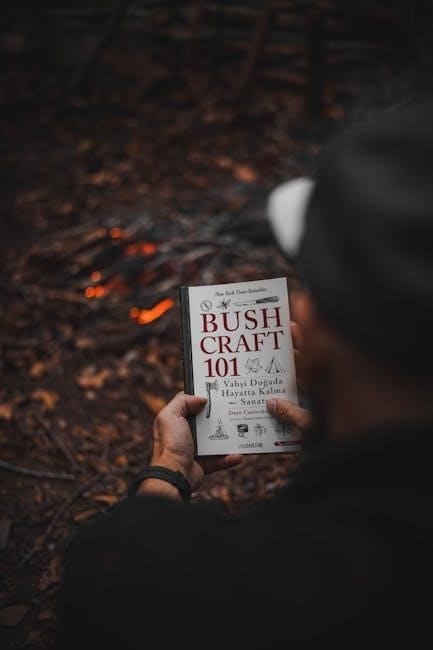
Specific PDF Resources & Collections
Key resources include the US Army Survival Manual (FM 3-05.70), the SAS Survival Handbook, and Navy SEAL guides – offering comprehensive, practical expertise.
US Army Survival Manual (FM 3-05.70)
This comprehensive PDF, officially designated FM 3-05.70, is a cornerstone of survival literature. Originally designed for soldiers, its principles are universally applicable to anyone facing wilderness or disaster scenarios. The manual meticulously covers essential topics, including psychological aspects of survival, securing essential resources like food and water, building shelters, firecraft, and navigating challenging terrains.
It details first aid techniques, evasion tactics, and even instructions for crafting tools and weapons. The US Army Survival Manual’s strength lies in its pragmatic, step-by-step approach, making complex survival skills accessible. Regularly updated, it remains a highly valued resource for preppers, outdoor enthusiasts, and anyone prioritizing self-reliance.
SAS Survival Handbook
Widely regarded as a definitive guide, the SAS Survival Handbook, authored by John ‘Lofty’ Wiseman, is a globally recognized resource. This PDF provides detailed instructions on surviving in diverse environments – from arctic conditions to tropical jungles, and even urban settings. It emphasizes practical skills, covering everything from building shelters and finding food to self-defense and signaling for rescue.
The handbook distinguishes itself with its clear illustrations and concise explanations, making it easy to understand even under stress. It includes sections on navigation, first aid, and dealing with potentially hostile situations. Its enduring popularity stems from its comprehensive scope and focus on real-world applicability, making it a vital addition to any survival library.
Navy SEAL Survival Manual
Derived from classified US Navy training materials, the Navy SEAL Survival Manual offers a uniquely rigorous approach to survival preparedness. This PDF focuses on extreme conditions and emphasizes resourcefulness, mental fortitude, and adaptability. It details techniques for evasion, escape, and survival in hostile environments, including maritime settings.
Unlike some guides, the SEAL manual prioritizes improvisation and utilizing minimal resources. It covers advanced topics like constructing traps, identifying edible insects, and creating tools from natural materials. Its strength lies in its practical, no-nonsense advice honed through real-world operational experience, making it a valuable asset for serious survivalists.

Accessing and Organizing Survival PDFs
Locating and managing these vital resources requires dedicated digital libraries and reliable download sources. Offline access and robust backup systems are essential.
Best Websites for Downloading Survival PDFs
Navigating the digital landscape for reliable survival PDFs demands caution. Several platforms offer extensive collections, but verifying source credibility is paramount. Dedicated survivalist forums often host curated lists and shared resources, fostering community-driven knowledge. Government websites, like those of the US Army (FM 3-05.70), provide authoritative manuals directly.
Archive.org is a treasure trove of digitized books, including older survival guides. Be aware of copyright restrictions and ensure responsible downloading. Websites specializing in prepping and emergency preparedness frequently compile PDF libraries. Always scan downloaded files with updated antivirus software to mitigate potential security risks. Prioritize sites with clear terms of service and a reputation for safety.
Creating a Digital Survival Library
Building a robust digital survival library requires organization and redundancy. Establish a clear folder structure categorized by skill – medical, shelter, food, navigation. Utilize a consistent naming convention for easy retrieval. Consider cloud storage for accessibility, but always maintain offline backups on multiple devices (hard drives, USB drives).
Regularly update your collection with new information and revised manuals. Implement a system for tagging PDFs with keywords for efficient searching. Employ a PDF management tool to merge, split, and annotate documents. Prioritize file formats compatible across various devices. A well-maintained library is a lifeline in a crisis.
Offline Access and Backup Strategies
Reliable access to survival PDFs demands robust offline strategies. Download all essential documents onto multiple storage devices: external hard drives, USB flash drives, and even older smartphones. Regularly test file integrity to ensure data hasn’t corrupted. Consider a dedicated, Faraday-caged storage solution for EMP protection.
Implement a 3-2-1 backup rule: three copies of your data, on two different media types, with one offsite. Cloud storage offers convenience, but isn’t foolproof. Prioritize local, physical backups for true self-reliance. Regularly update backups as your PDF collection evolves, guaranteeing access when connectivity is lost.

Advanced Survival Topics in PDF Form
Explore specialized PDFs covering urban evasion, detailed disaster plans, and comprehensive self-defense tactics. These resources elevate preparedness beyond basic survival skills.
Urban Survival Guides

Navigating a crisis within a city presents unique challenges. Urban survival PDFs focus on resource acquisition in built environments, emphasizing scavenging, securing shelter amidst infrastructure, and understanding potential hazards like civil unrest or infrastructure failure.
These guides detail strategies for avoiding densely populated areas, establishing communication networks when conventional systems fail, and managing encounters with others. They often include information on improvised security measures, understanding urban mapping, and utilizing public transportation routes for evacuation.
Crucially, they address the psychological aspects of urban survival, offering coping mechanisms for stress and maintaining situational awareness in chaotic conditions.
Disaster Preparedness Checklists
Comprehensive disaster checklists, available as PDFs, are foundational for effective preparation. These documents systematically outline essential supplies – food, water, first-aid, communication tools – and actions to take before, during, and after various emergencies, from natural disasters to societal disruptions.
Effective checklists categorize tasks: securing your home, establishing evacuation routes, documenting important information, and creating a family communication plan. They often include sections for pet preparedness and specific needs for individuals with disabilities.
Regularly reviewing and updating these checklists ensures readiness and minimizes panic during critical moments, maximizing survival chances.
Self-Defense Techniques (PDF Guides)
PDF guides detailing self-defense techniques provide crucial knowledge for personal safety in compromised situations. These resources cover a spectrum of skills, from basic awareness and de-escalation strategies to practical physical techniques for escaping attacks or defending oneself.
Effective guides emphasize situational awareness, identifying potential threats, and utilizing available resources for defense. They often include illustrations and step-by-step instructions for various techniques, catering to different skill levels and physical abilities.
However, remember that PDF guides are supplementary; practical training with a qualified instructor is vital for effective self-defense.

Tools for Utilizing Survival PDFs
PDF readers and annotation tools enhance usability, while conversion software ensures accessibility across devices. Effective organization is key for rapid information retrieval.
PDF Readers and Annotation Tools
Selecting the right PDF reader is crucial for effectively utilizing survival guides. Adobe Acrobat Reader remains a standard, offering robust features and compatibility. Alternatives like Foxit Reader and SumatraPDF provide lighter, faster experiences.

Annotation tools are invaluable for marking important passages, adding notes, and highlighting critical information within the PDFs. This allows for personalized study and quick reference during emergencies. Features like highlighting, underlining, sticky notes, and text boxes transform static documents into interactive learning resources.
Consider readers that support offline access and allow for searchable PDFs, ensuring information is readily available even without an internet connection.
Converting PDFs for Different Devices
Ensuring accessibility across all your devices is paramount when building a survival PDF library. Converting PDFs to formats compatible with smartphones, tablets, and e-readers expands usability. Online converters like Zamzar and Smallpdf offer quick, free conversions to formats like EPUB or MOBI.
Consider file size during conversion; smaller files download faster and consume less storage space. Optimize images within the PDFs before converting to reduce overall file size.
Offline access is key, so download converted files for use without an internet connection. Regularly test compatibility on all intended devices to guarantee functionality when needed.

Future Trends in Survival Information
Interactive guides and AI assistance will revolutionize survival PDFs, offering personalized advice and dynamic learning experiences for enhanced preparedness.
The Rise of Interactive Survival Guides
Traditional survival PDFs, while valuable, are static resources. The future points towards dynamic, interactive guides that go beyond simple text and images. Imagine PDFs with embedded videos demonstrating knot-tying, interactive maps for navigation practice, or quizzes to test your knowledge of edible plants.
These enhanced guides will leverage features like clickable diagrams, simulations of survival scenarios, and even augmented reality integration – overlaying survival information onto your real-world environment via smartphone cameras. This shift will transform passive reading into active learning, significantly improving knowledge retention and practical skill development. Expect personalized learning paths based on skill level and location, making survival information more accessible and effective.
AI-Powered Survival Assistance
The integration of Artificial Intelligence (AI) will revolutionize how we utilize survival PDFs. Imagine an AI assistant embedded within your digital survival library, capable of answering specific questions based on the content of your PDFs. Need to identify a plant? Upload a photo, and the AI will cross-reference it with your foraging guides.
Furthermore, AI can personalize survival plans based on your location, skills, and potential threats. It could even simulate disaster scenarios and provide tailored advice. Expect AI-powered tools to translate survival information into multiple languages and offer real-time guidance during emergencies, turning static PDFs into dynamic, intelligent companions.