seated resistance band exercises pdf
Seated resistance band exercises offer a fantastic‚ accessible way to build strength and improve fitness․ These versatile tools personalize workouts‚ suitable for all levels․
Resistance bands support recovery‚ correct posture‚ and enhance athletic performance‚ making them ideal for diverse needs and goals․
Whether for physical therapy or general wellness‚ seated exercises provide a low-impact‚ effective training method for a healthier lifestyle․
What are Resistance Bands?
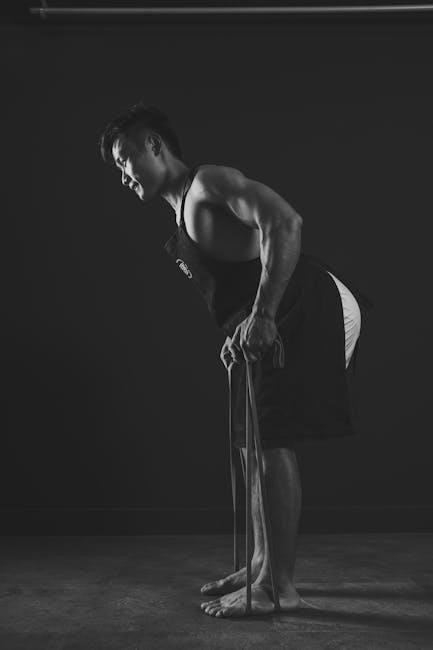
Resistance bands are elastic tools used to build strength‚ improve mobility‚ and aid in rehabilitation․ Unlike traditional weights‚ they provide variable resistance‚ meaning the force increases as the band stretches․ This makes them incredibly versatile for various exercises‚ including those performed in a seated position․
They come in diverse shapes‚ materials‚ and resistance levels – from thin‚ light bands ideal for beginners to thicker‚ heavier bands for advanced users․ These bands are often made from latex‚ rubber‚ or thermoplastic elastomers‚ offering different feels and durability․
The beauty of resistance bands lies in their portability and affordability․ You can easily incorporate them into your routine at home‚ the gym‚ or even while traveling․ They’re a fantastic alternative or supplement to dumbbells and machines‚ providing a challenging workout without the bulk or expense․ Seated exercises specifically leverage these benefits‚ offering a stable base for focused muscle engagement;
Benefits of Seated Resistance Band Training
Seated resistance band training offers a multitude of advantages‚ making it a valuable addition to any fitness regimen․ Firstly‚ it provides a low-impact workout‚ minimizing stress on joints – ideal for individuals recovering from injuries or with mobility limitations․ The seated position offers stability‚ allowing for focused muscle activation․
These exercises are excellent for posture correction‚ combating issues like “tech neck” and back pain caused by prolonged sitting․ Resistance bands effectively target specific muscle groups‚ improving overall strength and mobility․ Runners can benefit from enhanced muscle endurance and injury prevention․
Furthermore‚ seated band workouts are incredibly versatile and can be easily adapted to suit different fitness levels․ They’re a convenient and affordable way to build muscle‚ improve cardiovascular health‚ and enhance functional fitness‚ contributing to a better quality of life; They are also useful for physical therapy exercises․
Choosing the Right Resistance Band
Selecting the appropriate resistance band is crucial for maximizing the benefits of your seated workouts and preventing injury․ Resistance bands come in various materials‚ shapes‚ and‚ most importantly‚ resistance levels․ Beginners should start with lighter bands‚ focusing on mastering proper form before increasing the challenge․
Bands are often color-coded to indicate resistance – typically ranging from extra light to extra heavy․ Consider your current strength level and fitness goals when making your selection․ For posture correction and rehabilitation‚ lighter resistance is often sufficient․
For strength building‚ progressively heavier bands will be necessary․ Look for bands made from durable‚ high-quality latex or thermoplastic elastomers to ensure longevity․ Consider purchasing a set with varying resistances to allow for exercise progression and versatility in your training routine‚ adapting to different muscle groups․
Upper Body Exercises
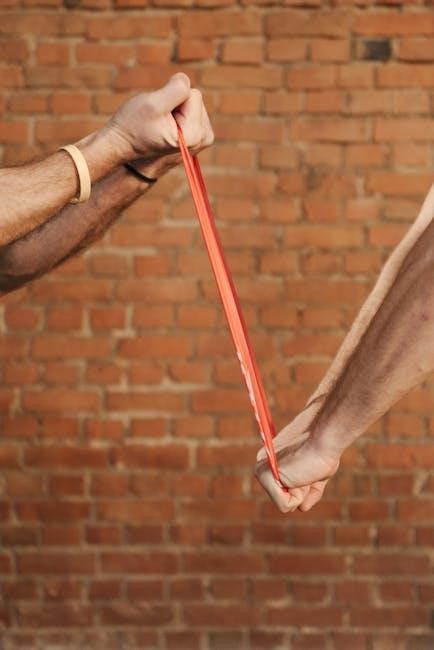
Seated resistance band training effectively targets arms‚ shoulders‚ chest‚ and back․ These exercises build upper body strength and improve muscle endurance with controlled movements․
Utilize bands for bicep curls‚ tricep extensions‚ shoulder presses‚ and rows‚ enhancing your physique and functional fitness from a seated position․
Seated Bicep Curls
Seated resistance band bicep curls are a fantastic exercise for isolating and strengthening the biceps muscles․ Begin by sitting comfortably on a chair with your feet flat on the floor‚ maintaining good posture throughout the movement․
Secure the resistance band under your feet‚ ensuring a stable base․ Hold the handles of the band with your palms facing upwards‚ keeping your elbows close to your sides․ This is your starting position․
Slowly curl the band upwards towards your shoulders‚ focusing on contracting your biceps․ Maintain control throughout the entire range of motion‚ avoiding any jerky movements․ Pause briefly at the top of the curl‚ squeezing your biceps․
Gradually lower the band back to the starting position‚ resisting the pull of the band․ Repeat for the desired number of repetitions․ Adjust the resistance by using a different band or adjusting your grip․ Proper form is crucial to maximize effectiveness and prevent injury․
Aim for 3 sets of 10-15 repetitions․
Seated Tricep Extensions
Seated resistance band tricep extensions effectively target the back of your upper arms‚ strengthening and toning the triceps muscles․ Begin by sitting on a chair with your back straight and feet firmly planted on the floor‚ ensuring a stable base․
Secure one end of the resistance band under your seat․ Hold the other end of the band with both hands‚ extending your arms overhead․ Keep your elbows close to your head throughout the exercise․
Slowly extend your arms upwards‚ contracting your triceps and resisting the band’s pull․ Maintain control and avoid locking your elbows at the top of the movement․ Pause briefly to maximize muscle engagement․
Gradually lower your hands back to the starting position‚ resisting the band’s tension․ Repeat for the desired number of repetitions‚ focusing on controlled movements․ Adjust band resistance for a suitable challenge․
Perform 3 sets of 12-15 repetitions for optimal results‚ prioritizing proper form to prevent strain․
Seated Shoulder Press
Seated resistance band shoulder presses are excellent for building strength and definition in your shoulders․ Begin by sitting comfortably on a chair with a straight back and feet flat on the floor‚ providing a stable foundation․
Position the resistance band under your feet‚ holding one end in each hand․ Ensure your hands are at shoulder height‚ with elbows bent at 90 degrees․ Maintain a slight tension on the band throughout the exercise․
Press your hands upwards‚ extending your arms overhead‚ while keeping your core engaged and back straight․ Focus on using your shoulder muscles to drive the movement‚ resisting the band’s pull․
Pause briefly at the top of the movement‚ fully extending your arms‚ then slowly lower your hands back to the starting position‚ controlling the descent․
Complete 3 sets of 12-15 repetitions‚ adjusting the band’s resistance to match your strength level․ Prioritize proper form to maximize effectiveness and prevent injury․
Seated Rows
Seated resistance band rows effectively target your back muscles‚ improving posture and upper body strength․ Sit on the floor with your legs extended and a resistance band looped around your feet․ Maintain a straight back and slightly engaged core throughout the exercise․
Hold the ends of the band with your palms facing each other‚ arms extended․ Pull the band towards your abdomen‚ squeezing your shoulder blades together․ Keep your elbows close to your body during the pulling motion․
Focus on initiating the movement with your back muscles‚ rather than relying on your arms․ This ensures proper muscle engagement and maximizes the benefits of the exercise․
Hold the contracted position for a brief moment‚ feeling the squeeze in your back‚ then slowly release the band back to the starting position‚ maintaining control․
Perform 3 sets of 12-15 repetitions‚ adjusting the band’s resistance to challenge your muscles appropriately․ Proper form is crucial for preventing injury and achieving optimal results․
Seated Chest Press
Seated resistance band chest presses are a fantastic way to work your pectoral muscles without needing heavy weights․ Secure the band around your back‚ positioning it comfortably across your upper back and under your armpits․ Sit on a chair with good posture‚ feet flat on the floor․
Hold the ends of the band in each hand‚ elbows bent at a 90-degree angle‚ palms facing forward․ Press your arms forward‚ extending them fully but without locking your elbows․ Focus on squeezing your chest muscles during the press․
Maintain a controlled movement throughout the exercise‚ resisting the pull of the band as you return your hands to the starting position․
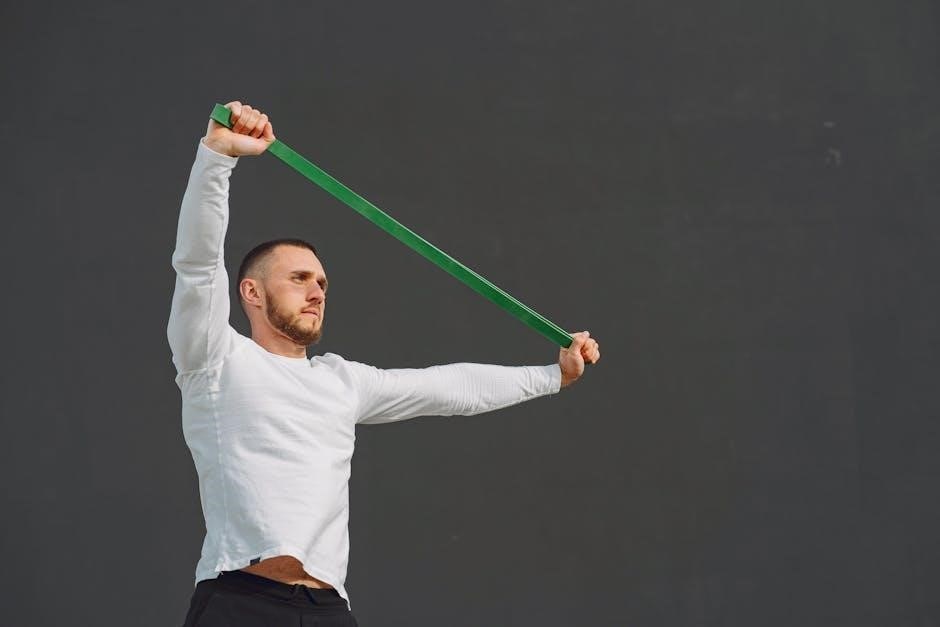
Keep your core engaged and your back straight to maintain stability and prevent strain․ This exercise mimics a dumbbell chest press‚ offering a similar strengthening effect․
Aim for 3 sets of 12-15 repetitions‚ selecting a band resistance that challenges you while allowing you to maintain proper form․ Adjust resistance as you get stronger․
Lower Body Exercises
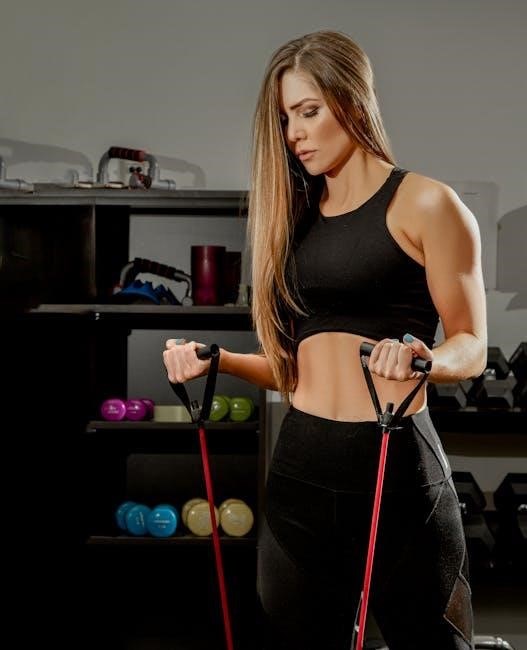
Seated lower body exercises with resistance bands effectively target legs and glutes․ These movements improve strength‚ mobility‚ and overall lower body function․
Exercises include leg extensions‚ hamstring curls‚ calf raises‚ and glute bridges‚ offering versatile training options․
Adaptable resistance levels make them suitable for all fitness levels‚ enhancing workout effectiveness․
Seated Leg Extensions
Seated leg extensions with a resistance band are a fantastic exercise for isolating and strengthening the quadriceps muscles․ To perform this exercise‚ securely anchor the resistance band around a stable object‚ like a chair leg‚ or under your feet․
Sit upright on a chair with good posture‚ looping the other end of the band around your ankle․ Slowly extend your leg forward‚ resisting the pull of the band‚ until your leg is straight․
Maintain control throughout the movement‚ avoiding any jerky motions․ Slowly return your leg to the starting position‚ continuing to resist the band’s tension․
Focus on squeezing your quadriceps at the peak of the extension․ This exercise is excellent for building leg strength‚ improving knee stability‚ and enhancing overall lower body functionality․ Adjust the band’s resistance to match your fitness level‚ ensuring a challenging yet controlled workout․
Remember to perform this exercise with proper form to prevent injuries and maximize results․
Seated Hamstring Curls
Seated hamstring curls utilizing a resistance band effectively target the hamstrings‚ contributing to lower body strength and stability․ Begin by securely anchoring the resistance band to a stable‚ low object – a chair leg works well․
Sit comfortably on a chair‚ looping the other end of the band around your ankle․ Keeping your upper body stable‚ slowly curl your heel towards your glutes‚ resisting the band’s pull․
Focus on contracting your hamstring muscles throughout the movement․ Maintain a controlled tempo‚ avoiding any sudden jerks․
Pause briefly at the peak contraction‚ then slowly return your leg to the starting position‚ maintaining tension on the band․ This exercise enhances hamstring strength‚ improves knee flexion‚ and supports overall leg muscle balance․
Adjust the band’s resistance to suit your fitness level‚ ensuring a challenging yet safe workout․ Proper form is crucial for maximizing effectiveness and preventing injury․
Seated Calf Raises
Seated calf raises with a resistance band are an excellent way to isolate and strengthen the calf muscles‚ improving ankle stability and lower leg power․ Securely position the resistance band under the balls of your feet‚ holding the ends in your hands․
Sit on a chair with your feet flat on the floor‚ ensuring the band has slight tension․ Slowly raise your heels off the ground‚ pressing against the resistance of the band․
Focus on fully contracting your calf muscles at the top of the movement․ Maintain a controlled tempo throughout the exercise‚ avoiding any bouncing or momentum․
Pause briefly at the peak contraction‚ then slowly lower your heels back to the starting position‚ maintaining tension on the band․ This exercise enhances calf strength‚ improves ankle mobility‚ and supports overall lower leg function․
Adjust the band’s resistance to match your fitness level‚ prioritizing proper form to maximize benefits and minimize risk of injury․
Seated Glute Bridges with Band
Seated glute bridges utilizing a resistance band effectively target the gluteal muscles‚ enhancing hip extension and overall lower body strength․ Begin by sitting on a chair with your feet flat on the floor‚ and loop the resistance band around your thighs‚ just above your knees․

Maintain a straight back and engage your core throughout the exercise․ Gently push your knees outward against the band’s resistance‚ activating your glutes․
Lift your hips off the chair‚ squeezing your glutes at the top of the movement․ Focus on driving through your heels to maximize glute activation․
Hold the contracted position briefly‚ then slowly lower your hips back to the starting position‚ maintaining outward pressure on the band․ This exercise improves hip stability‚ strengthens the glutes‚ and enhances functional movement․
Adjust the band’s resistance to suit your fitness level‚ prioritizing controlled movements and proper form for optimal results and injury prevention․
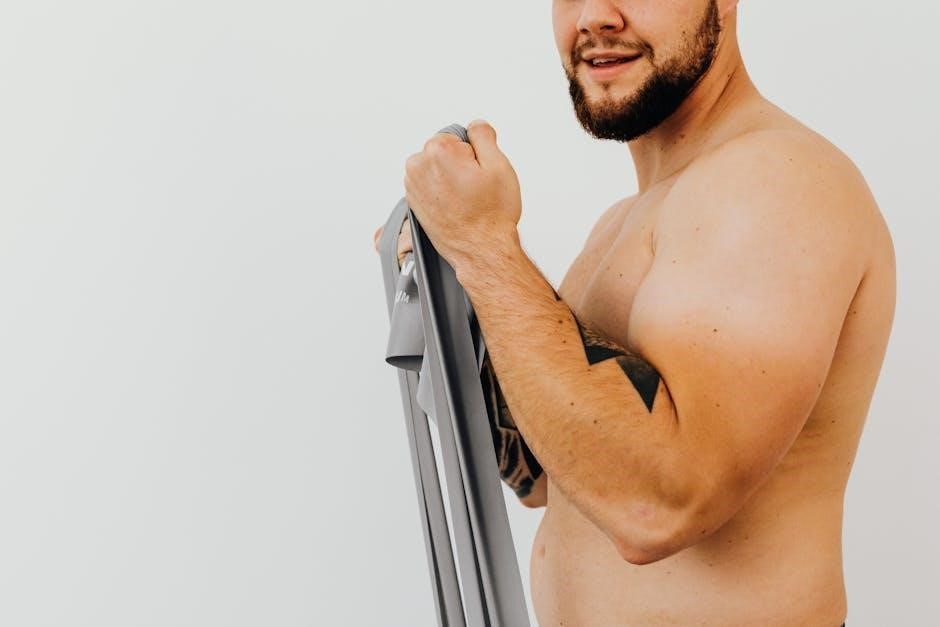
Core Exercises
Seated core exercises with resistance bands intensify traditional routines‚ offering versatile challenges․ Bands enhance abdominal and oblique engagement for stronger‚ stable cores․
These exercises improve posture and functional fitness‚ making daily activities easier and more efficient․
Seated Russian Twists with Band
Seated Russian twists with a resistance band are a dynamic core exercise that effectively targets your obliques‚ rectus abdominis‚ and lower back muscles․ To perform this exercise‚ sit on the floor with your knees bent and feet slightly elevated‚ maintaining a straight back․ Secure a resistance band around your feet‚ holding the ends with both hands․
Twist your torso from side to side‚ bringing the band across your body with each rotation․ Focus on controlled movements‚ engaging your core throughout the exercise․ Avoid rounding your back or using momentum to complete the twists․ This exercise is excellent for improving rotational strength and stability‚ crucial for various athletic activities and everyday movements․
Begin with a lighter resistance band and gradually increase the resistance as your core strength improves․ Aim for 3 sets of 15-20 repetitions on each side‚ ensuring proper form to maximize effectiveness and prevent injury․ Remember to breathe deeply and maintain a consistent pace throughout the exercise․
Seated Wood Chops
Seated wood chops with a resistance band are a fantastic exercise for strengthening your core‚ obliques‚ and improving rotational power․ Begin by sitting on a chair with your feet flat on the floor‚ maintaining a straight back․ Secure a resistance band around a stable object at a low point‚ and grasp the band with both hands․
Pull the band diagonally across your body‚ as if chopping wood‚ rotating your torso and engaging your core muscles․ Keep your elbows slightly bent throughout the movement and focus on controlled‚ deliberate motions․ Slowly return to the starting position‚ resisting the band’s pull․
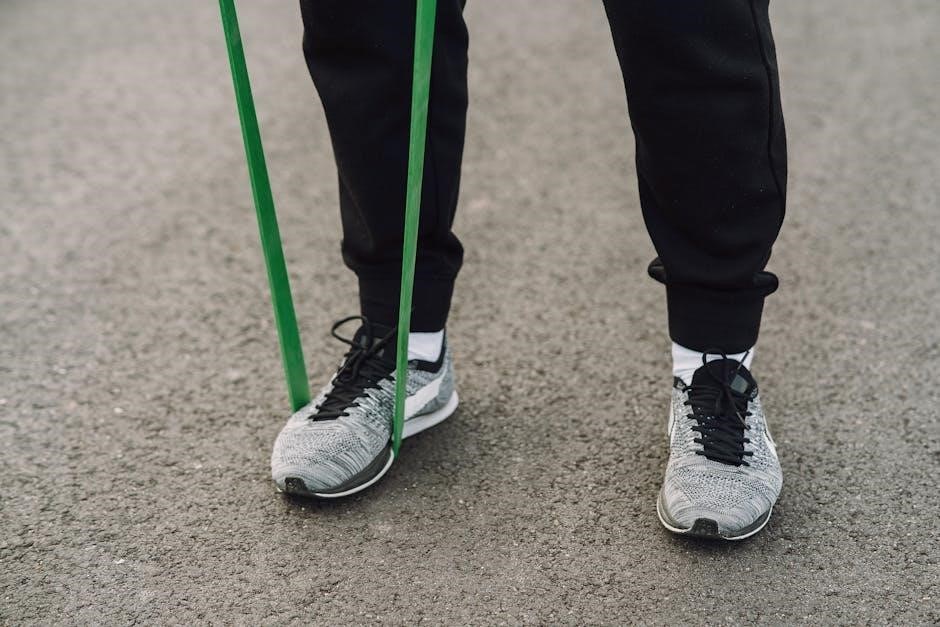
This exercise mimics the motion of chopping wood‚ hence the name‚ and effectively works the muscles responsible for rotational movements․ Perform 3 sets of 12-15 repetitions on each side‚ adjusting the band’s resistance to match your fitness level․ Proper form is crucial to prevent injury and maximize the benefits of this exercise․
Seated Abdominal Press
Seated abdominal press exercises utilizing a resistance band are a highly effective way to target and strengthen your abdominal muscles․ Begin by sitting comfortably on a chair with your back straight and feet firmly planted on the floor․ Wrap the resistance band around your feet‚ holding the ends securely in each hand․
Keeping your elbows slightly bent‚ press your hands forward‚ extending your arms straight out in front of you․ Simultaneously‚ engage your abdominal muscles‚ resisting the pull of the band․ Focus on squeezing your core throughout the entire movement․
Slowly return your hands to the starting position‚ maintaining control and resisting the band’s tension․ Aim for 3 sets of 15-20 repetitions‚ adjusting the band’s resistance to suit your strength level․ This exercise is excellent for improving core stability and enhancing abdominal definition‚ offering a versatile addition to your seated resistance band routine․
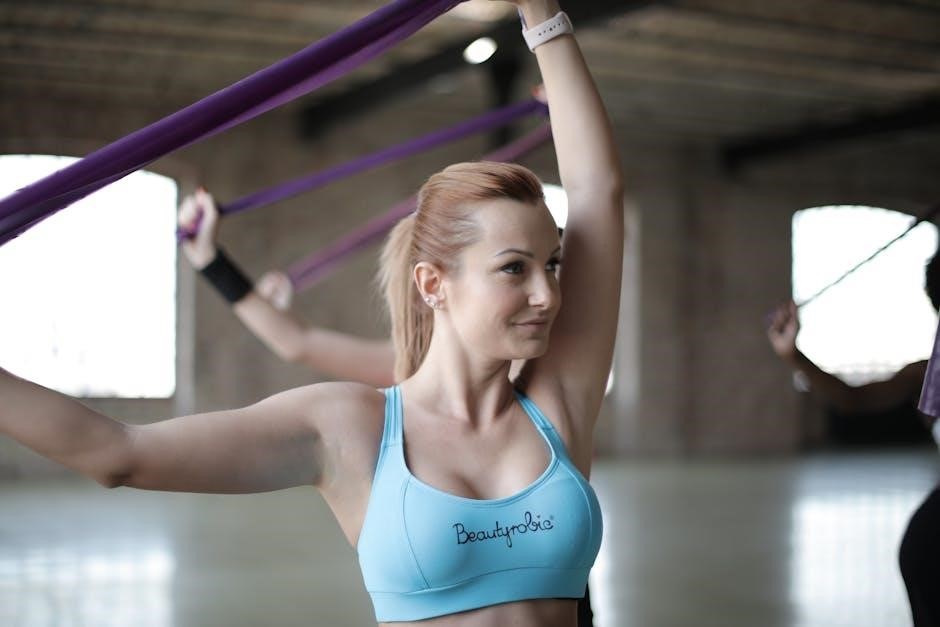
Exercises for Specific Needs
Targeted exercises address posture‚ runner’s training‚ and physical therapy goals․ Resistance bands offer adaptable solutions for individual needs and recovery processes․
These focused routines enhance specific areas‚ promoting well-being and optimized performance through customized‚ seated resistance band applications․
Resistance Bands for Posture Correction
Prolonged sitting often leads to poor posture‚ causing “tech neck” and back pain․ Seated resistance band exercises provide a simple yet effective solution to counteract these issues․ By engaging key muscle groups‚ these exercises help realign the spine and strengthen postural support․
Focus on exercises like seated rows‚ which pull the shoulders back and down‚ counteracting rounded shoulders․ Seated shoulder presses strengthen upper back muscles‚ promoting better alignment․ Incorporate seated band pull-aparts to open the chest and further improve shoulder posture․
Remember to maintain proper form throughout each exercise‚ focusing on controlled movements and engaging the core․ Consistent practice of these targeted exercises can significantly improve posture‚ reduce pain‚ and enhance overall well-being․ A personal trainer recommends six resistance band exercises to quickly improve posture․
Resistance Bands for Runners
Runners often focus solely on cardiovascular training‚ but strength training is crucial for injury prevention and performance enhancement․ Seated resistance band exercises offer a convenient and effective way to strengthen key muscle groups used in running‚ without placing excessive impact on joints․
Exercises like seated hip abductions and seated glute bridges with a band strengthen the glutes and hip stabilizers‚ improving running form and reducing the risk of knee pain․ Seated hamstring curls target the hamstrings‚ crucial for propulsion․ Seated calf raises build calf strength‚ essential for efficient stride․
Integrating these exercises into a regular routine can improve running economy‚ increase endurance‚ and minimize the risk of common running injuries․ Any type of cardiovascular training benefits from supplemental resistance work‚ and bands are a portable‚ accessible solution․
Resistance Bands for Physical Therapy
Resistance bands are frequently utilized in physical therapy due to their versatility and ability to provide progressive resistance․ Seated resistance band exercises are particularly beneficial for individuals recovering from injuries or managing chronic conditions‚ offering a low-impact way to rebuild strength and improve range of motion․
These exercises can be tailored to target specific muscle groups affected by injury or surgery․ For example‚ seated rows can help rehabilitate shoulder injuries‚ while seated leg extensions aid in knee recovery․ The controlled resistance allows patients to gradually increase strength without overstressing healing tissues․
Physical therapists often prescribe band exercises for post-operative rehabilitation‚ arthritis management‚ and general mobility improvement․ They are a valuable tool for restoring function and reducing pain‚ promoting a faster and more complete recovery process․

Workout Planning & Safety
Prioritize proper form and gradual resistance increases when planning seated band workouts․ Warm-up and cool-down routines are crucial for injury prevention and optimal results․
Creating a Seated Resistance Band Workout Routine
Designing an effective routine begins with defining your fitness goals – strength building‚ rehabilitation‚ or general toning․ Start with a full-body approach‚ incorporating exercises for upper and lower body‚ as well as core engagement․
Structure your workout with 2-3 sets of 10-15 repetitions for each exercise․ Alternate muscle groups to allow for recovery between sets․ For example‚ follow seated bicep curls with seated rows․
Consider a split routine‚ focusing on specific muscle groups on different days․ This allows for more targeted training and adequate rest․ Progressive overload is key; gradually increase resistance or repetitions as you get stronger․
Remember to listen to your body and adjust the routine as needed․ Consistency is paramount – aim for 2-3 workouts per week to see noticeable improvements․ Variety keeps things interesting and challenges your muscles in new ways․
Proper Form and Technique
Maintaining correct form is crucial to maximize benefits and prevent injuries during seated resistance band exercises․ Keep your back straight and core engaged throughout each movement‚ providing a stable base․
Control the band’s tension during both the concentric (lifting) and eccentric (lowering) phases of each exercise․ Avoid jerky movements; focus on slow‚ deliberate contractions․ Breathe consistently – exhale during exertion and inhale during relaxation․
Ensure the band is securely anchored‚ whether around your feet‚ chair legs‚ or hands․ Avoid overstretching the band‚ as this can reduce its effectiveness and potentially cause it to snap․
Pay attention to your body’s alignment․ For example‚ during seated rows‚ keep your elbows close to your body․ If you’re unsure about proper form‚ consult a fitness professional or refer to instructional videos․
Adjusting Resistance Levels
Resistance bands come in varying levels‚ typically color-coded to indicate their strength – from extra light to extra heavy․ Beginners should start with lighter resistance to master proper form before increasing the challenge․
To increase resistance‚ you can choose a heavier band‚ shorten the length of the band (by gripping it closer to the anchor point)‚ or double up bands․ Conversely‚ to decrease resistance‚ use a lighter band or lengthen it․
Progressive overload is key; gradually increase the resistance as you get stronger․ Listen to your body – if you struggle to maintain good form‚ reduce the resistance․
Consider your fitness goals when selecting resistance․ Higher resistance is ideal for building strength‚ while lower resistance is better for endurance and rehabilitation․ Experiment to find what works best for you․
Warm-up and Cool-down
Prior to any seated resistance band workout‚ a proper warm-up is crucial to prepare your muscles and joints․ Begin with 5-10 minutes of light cardio‚ such as seated marching or arm circles‚ to increase blood flow․
Dynamic stretches‚ like torso twists and leg swings‚ further enhance flexibility and range of motion․ Focus on the muscle groups you’ll be targeting during the workout․
After your workout‚ a cool-down is equally important․ Slow‚ controlled stretches help reduce muscle soreness and improve recovery․ Hold each stretch for 20-30 seconds․
Include stretches for your biceps‚ triceps‚ shoulders‚ legs‚ and core․ Proper warm-up and cool-down routines minimize the risk of injury and maximize the benefits of your seated resistance band training․
Potential Risks and Precautions
While generally safe‚ seated resistance band exercises carry some potential risks if not performed correctly․ Always inspect bands for cracks or tears before each use‚ discarding damaged ones immediately to prevent snapping․
Avoid overstretching the bands‚ as this can also lead to breakage․ Maintain controlled movements throughout each exercise‚ preventing sudden jerks that could cause muscle strains․
Individuals with pre-existing conditions‚ such as joint pain or injuries‚ should consult a healthcare professional before starting any new exercise program․ Listen to your body and stop if you experience any pain․
Ensure a secure seated position to maintain stability and prevent falls․ Proper form is paramount; prioritize technique over resistance level to minimize injury risk and maximize effectiveness․