young persons risk assessment pdf
This assessment targets workers under 18, recognizing their higher risk due to immaturity, inexperience, and unawareness. Its purpose ensures their health, safety, and welfare. It identifies hazards and documents control measures before work commences.
Defining Young Workers at Risk
Young workers, for risk assessment purposes, are precisely identified as individuals under 18 years of age. This demographic is recognized as higher risk in the workplace compared to adult employees. This elevated vulnerability necessitates a specific, thorough assessment process, mandated before they commence any form of work or work experience, as outlined in health and safety law.
The primary contributing factor is their inherent psychological and physical immaturity. Young persons often lack the fully developed cognitive abilities to adequately comprehend complex risks or the requisite physical strength and endurance for certain tasks. Secondly, a significant lack of experience is paramount. They typically have limited or no prior exposure to various workplace environments, specific machinery, or the general dynamics of occupational hazards. This profound inexperience directly leads to a crucial third characteristic: being unaware of existing or potential risks. Unlike seasoned workers, young individuals may not instinctively identify dangers, properly assess threats, or fully grasp the severe consequences of unsafe practices, demanding employer diligence.
Their individual capability and maturity levels also vary considerably. Employers must assess these risks, ensuring young people are not exposed to undue harm.
Purpose of the Assessment
The primary purpose of a Young Persons Risk Assessment is multifaceted, rooted deeply in legal compliance and the ethical responsibility for worker well-being. Fundamentally, it ensures the health, safety, and welfare of young workers by diligently considering their unique vulnerabilities, such as age, limited experience, and varying levels of maturity. Under health and safety law, employers are explicitly mandated to assess risks to individuals under 18 years old before they commence any employment or work experience. This proactive measure is crucial to prevent exposure to hazards that might go unnoticed or be misunderstood by a less experienced individual. The assessment serves to systematically identify specific tasks a young worker will undertake, pinpointing any associated hazards that could arise. Crucially, it then facilitates the implementation and documentation of appropriate control measures designed to mitigate these identified risks effectively. Furthermore, a vital aspect of its purpose is to inform the young person themselves, and often their parents, about the potential risks they may encounter and the precautions in place. This transparent communication empowers them with awareness, fostering a safer working environment in accordance with regulatory guidelines like the Safety, Health and Welfare at Work Act 2005. It also provides a formal record, ensuring accountability and a framework for continuous safety management.

Legal Framework and Requirements
Health and safety law mandates risk assessment for young persons under 18. Regulations like the Management of Health and Safety at Work Regulations 1999 and the Safety, Health and Welfare at Work Act 2005 establish employer responsibilities and guidelines for protecting young workers.

Health and Safety Legislation
Health and safety legislation forms the bedrock for protecting young persons in the workplace. Under health and safety law, employers are legally obligated to assess risks for individuals under 18 years old before they begin work or work experience. The Management of Health and Safety at Work Regulations 1999 explicitly assigns employers the responsibility to shield young people from hazards stemming from their inexperience, unawareness of risks, and lack of maturity.
This legal framework, supported by acts like the Safety, Health and Welfare at Work Act 2005 and its General Application Regulations, requires a comprehensive evaluation. Employers must identify potential dangers and effectively communicate these risks and implemented control measures to young workers. This ensures their health, safety, and welfare are prioritized, preventing undue harm and fulfilling statutory requirements governing their employment.
Regulatory Guidelines and Acts

The framework for young persons risk assessment is intricately woven into specific regulatory guidelines and acts designed to safeguard this vulnerable demographic. Key among these is the Management of Health and Safety at Work Regulations 1999, which places a clear onus on employers. This regulation mandates that employers ensure young individuals and children are not exposed to undue risk, particularly acknowledging their potential lack of experience, limited awareness of existing or potential hazards, and general immaturity.
Further reinforcing these protections, guidelines from authorities such as the Health and Safety Authority (HSA) often underpin the practical application of these assessments. The Safety, Health and Welfare at Work Act 2005, complemented by the Safety, Health and Welfare at Work (General Application) Regulations 2007 (as amended), provides the overarching legal mandate. These acts and regulations collectively stipulate that a thorough risk assessment must be conducted for all young people under 18 prior to commencing any employment or work experience. This ensures that legal compliance is met and a protective environment is proactively established, detailing responsibilities and expected conduct within the workplace.

Key Factors for Assessing Young Persons
Assessing young persons involves considering their psychological and physical immaturity, inexperience, and limited awareness of risks. Individual capability, training needs, medical history, and environmental factors are crucial for a comprehensive evaluation of potential workplace hazards.
Psychological and Physical Immaturity
Assessing the psychological and physical immaturity of young persons is a critical component of any comprehensive risk assessment. Young workers, typically defined as those under 18, are inherently more vulnerable in the workplace due to their ongoing developmental stages. Physically, their bodies may still be growing and developing, potentially lacking the full strength, stamina, or coordination of an adult. This can increase their susceptibility to physical injury, particularly when engaging in tasks requiring significant manual handling, repetitive motions, or prolonged standing. Their musculoskeletal systems may not be fully mature, making them more prone to strains or other physical ailments.
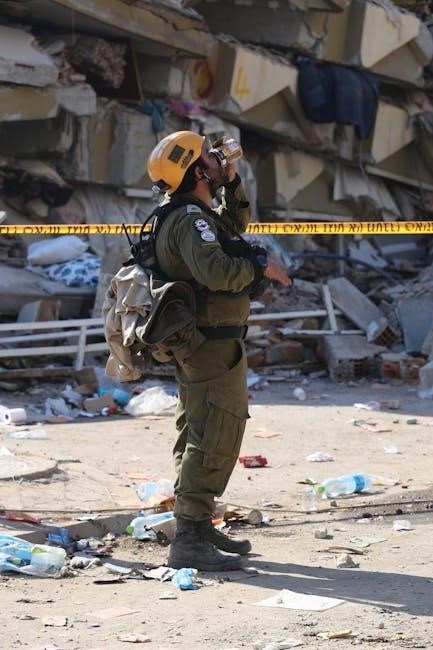
Psychologically, their immaturity manifests as a reduced capacity to perceive and assess risks accurately. They may exhibit a natural curiosity or a tendency to take risks without fully understanding the potential consequences. Their decision-making skills might not be fully developed, leading to impulsive actions or an underestimation of hazards. Furthermore, young individuals might feel pressured to perform, even if a task feels unsafe, due to a desire to impress or a fear of appearing incapable. Their awareness of existing or potential risks is often limited, making them less likely to identify dangers independently or follow safety protocols rigorously. Therefore, recognizing and accommodating these developmental differences is paramount in ensuring their safety and welfare at work.
Lack of Experience and Awareness of Risks
Young persons entering the workplace often possess a significant lack of practical experience, which inherently elevates their risk profile. Unlike seasoned workers, they haven’t developed an intuitive understanding of workplace dynamics, potential pitfalls, or the subtle cues that signal danger. This inexperience extends beyond specific tasks to the general work environment, where established safety procedures and unwritten rules might be entirely unfamiliar.
A direct consequence of this inexperience is a limited awareness of existing or potential risks. Young workers may not recognize hazards that are obvious to an experienced adult, such as improperly stored equipment, slippery surfaces, or the dangers associated with certain machinery operations. They might also be unaware of the cumulative effects of less immediate risks, like repetitive strain injuries or exposure to certain substances over time. This absence of risk perception makes them more vulnerable to accidents, as they may not foresee the consequences of their actions or fully appreciate the importance of stringent safety protocols. Employers are legally obligated to consider this lack of experience and risk awareness when conducting assessments, providing thorough training and supervision to mitigate these specific vulnerabilities.
Individual Capability and Training Needs
A comprehensive young persons risk assessment necessitates a thorough evaluation of each individual’s capability before they commence work or work experience. This assessment moves beyond general age-based assumptions to scrutinize their specific aptitude for the tasks assigned. Key considerations include their physical capacity to safely perform duties, their cognitive ability to comprehend instructions, and their overall understanding of workplace protocols and the role’s demands. Risk assessment forms often dedicate sections to documenting this individual capability, ensuring a tailored approach to their integration into the workforce.
This detailed evaluation directly informs the identification and provision of specific training needs. Where a young person’s existing knowledge or skill set is found to be insufficient for a particular task or the work environment, targeted training must be promptly implemented. This ensures they acquire the essential competencies to operate safely and effectively. Training should encompass not only the practical aspects of the job but also critical elements like hazard identification, emergency procedures, and the correct usage of equipment and personal protective gear. Documenting this personalized training, along with verifying their comprehension, is crucial for both compliance and demonstrating diligent care.
Medical History and Environmental Factors
Incorporating a young person’s medical history into the risk assessment is a critical step to ensure their safety and well-being in the workplace. This consideration involves understanding any pre-existing health conditions or allergies that might affect their ability to perform specific tasks safely or increase their vulnerability to certain workplace hazards. For instance, respiratory conditions could be exacerbated by dust or fumes, or certain physical limitations might make some manual handling tasks unsuitable. Risk assessment forms for young persons often include sections to record relevant medical information, ensuring that appropriate accommodations or restrictions are put in place. This confidential information allows employers to tailor the work environment and duties, preventing adverse health outcomes and demonstrating due diligence under health and safety law.
Furthermore, environmental factors play a significant role in assessing risks to young persons. These factors encompass the physical surroundings and conditions of the workplace, such as temperature extremes, noise levels, air quality, lighting, and exposure to chemicals or machinery. While environmental factors might not always directly affect a young person’s ability to complete every task, specific guidance becomes imperative when these conditions could pose a risk. For example, a young person working outdoors might require extra protection from the elements, or one in a noisy environment might need specific hearing protection and instruction. The assessment must identify these potential environmental impacts and outline the control measures and specific guidance to mitigate associated risks.

The Risk Assessment Process
The risk assessment process follows the HSE’s five stages, undertaken by a competent person. It involves identifying tasks and hazards, implementing controls, and assessing newly identified risks. This systematic approach ensures the safety of young workers.
The Five Steps to Risk Assessment (HSE)
The Health and Safety Executive (HSE) outlines a crucial five-step risk assessment process, vital for young persons.
- Identify Hazards: Thoroughly “ASSESS TASK FOR HAZARD,” pinpointing all potential dangers in the work environment or assigned duties.
- Decide Who Might Be Harmed: Determine “WHO WILL BE AFFECTED,” specifically considering young persons due to their immaturity, inexperience, and unawareness of risks. This includes “SPECIAL GROUPS” like handicapped individuals.
- Evaluate Risks and Decide on Precautions: Assess identified risks and implement effective tailored control measures to prevent young people from exposure to unacceptable hazards.
- Record Findings and Implement: Document all identified hazards, assessed risks, and established control measures, ensuring a clear and compliant record for young persons’ employment.
- Review and Update: A “Set Review Time” is essential for ongoing relevance and effectiveness, adapting to changes in tasks, environment, or newly identified risks, safeguarding young workers.
Competent Person Undertaking Assessment
For a young persons’ risk assessment to be effective and legally compliant, it is imperative that it be undertaken by a competent person. This individual possesses the necessary knowledge, experience, and training to accurately identify and evaluate risks specific to young workers. A competent person understands the nuances of health and safety legislation, particularly the Management of Health and Safety at Work Regulations 1999 and the Safety, Health and Welfare at Work Act 2005, which mandate assessing risks for individuals under 18. They can recognize factors like psychological and physical immaturity, lack of experience, and unawareness of existing or potential hazards, which make young people particularly vulnerable. Their expertise ensures a thorough examination of tasks, associated hazards, and the formulation of appropriate control measures. This includes considering individual capability, training needs, and medical history. The competent person is also responsible for documenting these findings accurately and ensuring that the assessment is regularly reviewed and updated to reflect any changes. Their role is central to safeguarding the health, safety, and welfare of young workers, providing a robust framework for their employment and work experience placements.
Assessing Newly Identified Risks
When new hazards emerge or existing circumstances change, it is crucial to promptly undertake a new risk assessment, especially concerning young persons. Work environments are dynamic, and risks can arise unexpectedly, from new machinery, altered tasks, or even changes in environmental factors. For young workers, who already possess factors like physical and psychological immaturity, lack of experience, and unawareness of potential dangers, a newly identified risk can pose an elevated threat. Therefore, a formal process, often involving a specific “Risk Assessment Form for newly identified risks,” must be initiated. This involves a competent person thoroughly evaluating the new hazard. They must consider how this new risk specifically impacts a young person, taking into account their unique vulnerabilities. The assessment should identify the nature of the new hazard, determine who might be harmed, and outline new or adapted control measures. These control measures must be practical, effective, and clearly documented. Regular review of the overall risk assessment ensures that all newly identified risks are captured, assessed, and managed effectively, maintaining the highest standards of health and safety for young workers. This proactive approach is fundamental to their protection and ensures continuous compliance with regulatory guidelines.
Content of a Young Persons Risk Assessment Document
This document details tasks, identifies associated hazards, and outlines necessary control measures for young workers. It typically includes a checklist to assess the suitability of work, ensuring their health, safety, and welfare effectively.
Identifying Tasks and Associated Hazards
The core of a comprehensive young persons risk assessment document involves a meticulous process of identifying specific tasks the young worker will undertake. This initial step is crucial for systematically uncovering potential dangers. For instance, in a vocational bricklaying program or a broadband network construction project, tasks might include digging, installing ducting and chambers, blowing fibre, or operating various tools and plant machinery. Each of these activities inherently carries a unique set of associated hazards.
Once tasks are clearly defined, the document must detail the hazards linked to each. This includes physical risks like those from machinery, manual handling, or working at height, as well as environmental factors. Even in seemingly innocuous settings, such as an office environment, hazards like slips, trips, or ergonomic issues need to be identified. The assessment comprehensively outlines these dangers, acknowledging that young workers, due to their inexperience and lack of awareness, may not readily perceive existing or potential risks. This foundational identification forms the basis for developing effective control measures, ensuring a safe working environment.
Implementing and Documenting Control Measures
Following the identification of tasks and associated hazards, the next crucial step in a young persons risk assessment involves implementing and rigorously documenting appropriate control measures. This section outlines the specific actions taken to eliminate or reduce the identified risks, tailored to the unique vulnerabilities of young workers. For instance, where environmental factors might affect work activities, specific guidance must be provided to the young person. Control measures could range from providing comprehensive training and supervision to ensuring the use of suitable clothing and equipment.
The documentation within the risk assessment form or PDF template is paramount. It clearly records all actions already taken to reduce risks, transforming the assessment from a theoretical exercise into a practical safety plan. This includes detailing how individual capability, knowledge, and medical history have been considered in designing these controls. By documenting these measures, employers create a verifiable record of their commitment to safety, ensuring that all stakeholders are aware of the protocols. This systematic approach ensures continuous protection, particularly for young workers who may be unaware of existing or potential risks.
Checklist for Suitability of Work
A crucial component of a comprehensive young persons risk assessment document is a detailed checklist for determining the suitability of work. This tool systematically evaluates whether specific tasks and environments are appropriate for individuals under the age of 18, considering their unique developmental stages and vulnerabilities. The checklist typically covers factors such as the young person’s individual capability, assessing their physical and psychological maturity relevant to the demands of the role. It also scrutinizes their existing knowledge and training, ensuring they possess the necessary understanding of procedures and potential hazards before commencing work.
Furthermore, the checklist often includes considerations for medical history, identifying any conditions that might heighten risks in certain work settings. The suitability of personal protective equipment, clothing, and other necessary tools is also verified. This rigorous evaluation ensures that employers account for the young worker’s inexperience and potential lack of awareness regarding existing or potential risks, thereby proactively safeguarding their health and safety in the workplace. This systematic approach is vital for compliance and for fostering a secure working environment for young individuals.

Specific Considerations and Documentation
Specific considerations include mandatory parental notification for young persons under 16 or still in school, and addressing special groups. Documentation often utilizes editable PDF templates, which require a defined review time to ensure ongoing relevance and safety updates.
Parental Notification and Special Groups
Parental notification is a critical component, primarily mandated when the young person is still enrolled in school or is under the age of 16 at the time of employment. This process involves informing parents or guardians about the specific tasks and potential risks outlined in the young persons risk assessment. A consent form is typically used, where parents acknowledge their understanding and agreement for their child to engage in the specified activities, accepting the common risks notified within the assessment. This crucial step ensures guardians are fully aware of the working environment and conditions.
Furthermore, specific attention must be paid to ‘Special Groups’ during the risk assessment. These are individuals who might present unique vulnerabilities or requirements that necessitate tailored consideration beyond the general assessment. The assessment must identify who will be affected within these particular groups. For instance, young persons with existing medical conditions or disabilities might require additional, specific control measures or modifications to their work environment and tasks. The process must be flexible enough to accommodate these individual needs, ensuring comprehensive safety and welfare for all young workers, thereby ensuring a truly inclusive and protective work environment.
Editable PDF Templates and Review Time

Editable PDF templates significantly streamline the process of conducting comprehensive young persons risk assessments. These templates are readily available as digitally downloadable documents, offering immense flexibility and convenience. Users can easily open them on a computer, fill in all necessary details, and then save the completed assessment electronically. This digital format simplifies record-keeping and sharing, allowing assessments to be sent via email, link, or fax, or even exported for broader distribution. For those who prefer a physical copy, these templates are also designed to be printable, enabling manual completion if desired. The user-friendly nature of these PDF editors makes handling the paperwork straightforward, even for individuals less familiar with digital tools.
Crucially, every young persons risk assessment must incorporate a clearly defined review time. This ‘Set Review Time’ ensures that the assessment remains current and relevant. Work environments, tasks, and even the young person’s capabilities can change over time, necessitating a re-evaluation of identified risks and implemented control measures. Regular reviews are essential to maintain ongoing safety and compliance, adapting the assessment to any new circumstances or updated guidelines. This systematic approach guarantees continuous protection for young workers as they gain experience or their roles evolve, ensuring their welfare within the workplace.